Teach Remote lab lessons

Educator catalog

Remote lab activities for your classroom

Explore activities that bring real remote laboratories into your classroom. Filter by subject, level or language to find a lesson for your students.

Reset
More filters

686 lessons

686 public lessons available

Gay-Lussac-en Legea
  • Gay-Lussac-en Legea
  • 60 min
  • Gasen legeak bigarren hezkuntzan / DBH 4–Batxilergoa
  • eu

Gay-Lussacen legea: presioa eta tenperatura benetako saiakuntza batean

Ikasleek UNEDen Gay-Lussacen urrutiko laborategia erabiltzen dute, bolumen finkoan presioa tenperatura absolutuarekiko gutxi gorabehera proportzionala den aztertzeko.

  • Gay-Lussacen urrutiko laborategiko benetako behaketa erabiltzea presioari eta tenperaturari buruzko ebidentzia jasotzeko.
  • Celsius tenperaturak kelvinetara bihurtzea, gasen legeko zatidura erabili aurretik.

Includes student questions and response prompts.

Elektronica - Hive
  • Elektronica - Hive
  • 45 min
  • Voortgezet onderwijs, 14–16 jaar
  • nl

Gedragen leds van verschillende kleuren zich hetzelfde?

Vergelijk drie led-kleuren bij dezelfde weerstandswaarde en twee voedingsspanningen.

  • Elektrische metingen van drie led-kleuren bij gelijke nominale omstandigheden vergelijken.
  • De led-spanning schatten uit de ingestelde voeding en gemeten weerstandsspanning, met vermelding van de beperking.

Includes student questions and response prompts.

Materiales
  • Materiales
  • 70 min
  • Unibertsitatea, hastapen-maila
  • Euskara

Gogortasuna neurtzea: sargailuaren aztarnak aztertzea Materials laborategian

Ikasleek Materials urrutiko laborategia erabiliko dute Vickers HV1 saiakuntzaren emaitza aztertzeko, Vickers eta Brinell metodoen oinarriak bereizteko eta, sarbideak aukera ematen badu, beste konfigurazio batekin alderatzeko.

  • Gogortasuna deformazio plastiko lokalizatua eragiten duen sarketarekiko erresistentzia gisa azaltzea.
  • Vickers eta Brinell metodoak hastapen-mailan alderatzea.

Includes student questions and response prompts.

Hukum Boyle
  • Hukum Boyle
  • 35 min
  • sains menengah rendah hingga menengah atas
  • Bahasa Melayu

Had tekanan: sejauh mana kita boleh memampatkan?

Tukarkan tiga bacaan daripada percubaan picagari sebenar kepada cadangan kejuruteraan dengan had tekanan dan margin keselamatan.

  • Mengumpul bacaan tekanan di sekitar had reka bentuk 150 kPa.
  • Mengenal pasti julat lulus/gagal yang diperhatikan antara tetapan yang diuji.

Includes student questions and response prompts.

Materials
  • Materials
  • 70 min
  • Introductory university
  • English

Hardness Measurement: indentation evidence in Materials

Students use the Materials remote lab to compare Vickers and Brinell hardness evidence, connect indentation size with hardness, and distinguish surface hardness from toughness or tensile strength.

  • Explain hardness as resistance to localized plastic indentation.
  • Compare Vickers and Brinell methods at an introductory level.

Includes student questions and response prompts.

Snell-en Legea (II)
  • Snell-en Legea (II)
  • 32 min
  • Lehen Hezkuntzako 6. maila – DBHko 1. maila
  • eu

Hautsitako lastotxoaren misterioa

Argitu eguneroko misterio bat: alderatu urrutiko laborategian argiak ura nola zeharkatzen duen 0°-tan eta 60°-tan.

  • Argiak uretan sartzean zer bide egingo duen irudien bidez iragartzea.
  • Uretan 0°-tan eta 60°-tan dagoen argi-izpia kualitatiboki alderatzea.

Includes student questions and response prompts.

Thermographic Camera
  • Thermographic Camera
  • 50 min
  • Lower secondary / early upper secondary
  • English

Heat detectives with a thermographic camera

Students use a remote thermographic camera to observe differences in surface temperature, identify heat sources, and recommend a justified response.

  • Use a thermographic image or video to identify relatively warmer or cooler areas.
  • Distinguish a heat source, a reference surface, and an area of uncertainty.

Includes student questions and response prompts.

Water Heating and Cooling Curves
  • Water Heating and Cooling Curves
  • 60 min
  • Secondary (ages 14–17)
  • English

Heating and Cooling Curves of Water: phase changes from real video

Students use the UFH Water Heating and Cooling Curves remote lab to read real thermometer-video frames, compare high heat, low heat, and cooling, graph temperature against time, and explain phase-change plateaus.

  • Use a real remote lab to collect temperature-time evidence from video.
  • Distinguish warming/cooling slopes from phase-change plateaus.

Includes student questions and response prompts.

Momentuaren Kontserbazioa
  • Momentuaren Kontserbazioa
  • 60 min
  • Bigarren Hezkuntzako Fisika / DBH 4 eta Batxilergoa
  • eu

Higidura-kantitatearen kontserbazioa: talkak benetako orgatxoekin

Ikasleek Fort Hare Unibertsitateko higidura-kantitatearen kontserbazioaren urrutiko laborategia erabiltzen dute talka elastikoak eta inelastikoak alderatzeko, abiaduren zatidurak kalkulatzeko, ereduaren hipotesiak aztertzeko eta benetako datuen mugak azaltzeko.

  • Benetako bi orgatxoren urrutiko laborategian talkaren aurreko eta ondorengo abiaduren ebidentziak biltzea.
  • Talka elastikoen eta inelastikoen emaitzak bereiztea.

Includes student questions and response prompts.

Elektronika - Hive
  • Elektronika - Hive
  • 40 min
  • DBHko azken mailak eta Batxilergoaren hasiera, 14–16 urte
  • eu

Hiru argi, adar independenteak

Probatu zer gertatzen den LED-adar batean beste adarrek elikatze bera erabiltzen dutenean.

  • Adar berdearen korrontea alderatzea paraleloan adar bat, bi eta hiru daudenean.
  • Adarren independentzia azaltzea eta adarreko korrontea korronte totaletik bereiztea.

Includes student questions and response prompts.

Hukum Boyle
  • Hukum Boyle
  • 60 min
  • Fizik Tingkatan 4
  • Bahasa Melayu

Hukum Boyle: tekanan dan isi padu daripada larian picagari sebenar

Murid menggunakan makmal jauh Boyle UNED untuk membaca tekanan daripada video sebenar, mengira PV dan 1/V, serta menentukan sama ada tekanan berkadar songsang dengan isi padu.

  • Menggunakan video sebenar makmal jauh Boyle untuk mengumpul bukti tekanan-isi padu.
  • Mengira 1/V dan PV dengan unit isi padu dan tekanan yang konsisten.

Includes student questions and response prompts.

Hukum Gay-Lussac
  • Hukum Gay-Lussac
  • 60 min
  • Fizik Tingkatan 4
  • Bahasa Melayu

Hukum Gay-Lussac: tekanan dan suhu daripada larian gas sebenar

Murid menggunakan makmal jauh Gay-Lussac UNED untuk menguji sama ada tekanan berkadar terus secara anggaran dengan suhu mutlak apabila isi padu tetap.

  • Menggunakan pemerhatian sebenar daripada makmal jauh Gay-Lussac untuk mengumpul bukti tekanan-suhu.
  • Menukar suhu Celsius kepada kelvin sebelum menggunakan nisbah hukum gas.

Includes student questions and response prompts.

Elektronik – Hive
  • Elektronik – Hive
  • 50 min
  • Menengah rendah / awal menengah atas
  • Bahasa Melayu

Hukum Ohm dengan Hive: ukur arus sebenar

Murid menggunakan litar perintang yang telah disediakan dalam LabsLand Hive, mengukur arus sebenar dengan multimeter dalam mod arus terus dan menyemak sama ada hasilnya sepadan dengan V = I · R.

  • Membezakan voltan, arus dan rintangan dalam litar ringkas.
  • Mengukur arus dalam litar Hive sebenar tanpa mengubah susunan selamat yang telah disediakan.

Includes student questions and response prompts.

Hukum Snell (II)
  • Hukum Snell (II)
  • 70 min
  • Fizik sekolah menengah atas
  • Bahasa Melayu

Hukum Snell: ukur pembiasan dengan jangka sudut sebenar

Murid menggunakan makmal jauh Hukum Snell (II) untuk membaca sudut tuju dan sudut biasan, mengira indeks biasan, membandingkan medium dan memerhatikan pantulan dalam penuh.

  • Mengukur sudut tuju dan sudut biasan dari garis normal menggunakan makmal jauh hukum Snell.
  • Mengira indeks biasan dengan n = sin(i) / sin(r) apabila cahaya bergerak dari udara ke suatu medium.

Includes student questions and response prompts.

Elettronica - Hive
  • Elettronica - Hive
  • 45 min
  • Scuola secondaria, 14–16 anni
  • it

I LED di colori diversi si comportano allo stesso modo?

Confronta LED di tre colori usando lo stesso valore di resistenza e due tensioni di alimentazione.

  • Confrontare le letture elettriche di LED di tre colori in condizioni nominali uguali.
  • Stimare la tensione del LED dalla tensione impostata e dalla tensione misurata sul resistore, dichiarandone il limite.

Includes student questions and response prompts.

Azido-Base Titraketa III
  • Azido-Base Titraketa III
  • 60 min
  • Bigarren Hezkuntzako / Batxilergoko kimika
  • eu

III. balorazioa: HCl disoluzio ezezagun baten kontzentrazioa

Acid Base Titration III urruneko laborategian, kontrolatu balorazioaren aurrerapena, behatu pH-a eta kolorea, eta aukeratu amaiera-puntua. Irakurri bureta eta kalkulatu azido klorhidrikoaren kontzentrazioa 1:1 erreakzioarekin, ziurgabetasuna kontuan hartuta.

  • Balorazio batek zer neurtzen duen eta amaiera-puntua ondo aukeratzea zergatik den funtsezkoa azaltzea.
  • Urruneko balorazioa egitea: txorrota eta tantaren kontrola erabiltzea, eta pH-aren eta kolorearen aldaketak behatzea.

Includes student questions and response prompts.

Impresora 3D
  • Impresora 3D
  • 50 min
  • Secundaria (14–16 años)
  • Español

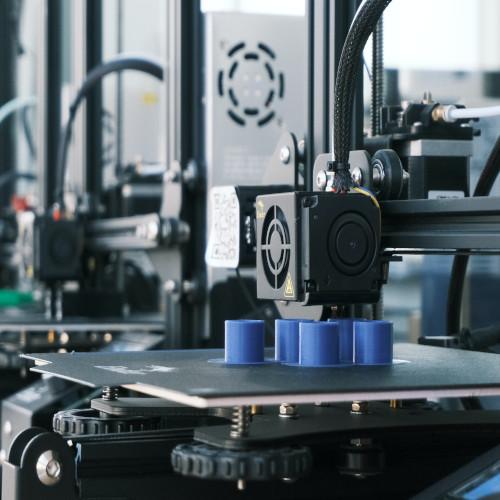
Impresión 3D: ¿cómo afecta la temperatura de extrusión a la calidad?

El alumnado usa el laboratorio remoto de impresión 3D para imprimir la misma pieza de PLA a cinco temperaturas de boquilla, comparar el vídeo y las valoraciones reales del laboratorio y recomendar la temperatura adecuada.

  • Formular una hipótesis sobre qué temperatura de extrusión da la mejor calidad de impresión en PLA.
  • Realizar un experimento controlado variando solo la temperatura y manteniendo fijos modelo, orientación, grosor de capa y soportes.

Includes student questions and response prompts.

3D Printer
  • 3D Printer
  • 50 min
  • Ensino fundamental II / ensino médio inicial em Tecnologia
  • Português (Brasil)

Impressão 3D: como a temperatura de extrusão afeta a qualidade?

Os estudantes usam o laboratório remoto de Impressão 3D para imprimir a mesma peça de PLA em cinco temperaturas de bico, comparar o vídeo real e os cartões de avaliação do laboratório, classificar os resultados e recomendar a temperatura adequada.

  • Formular uma hipótese sobre qual temperatura de extrusão gera a melhor qualidade de impressão em PLA.
  • Realizar um experimento controlado variando apenas a temperatura e mantendo fixos o modelo, a orientação, a espessura da camada e os suportes.

Includes student questions and response prompts.

Kinematics
  • Kinematics
  • 75 min
  • High school physics / upper secondary
  • English

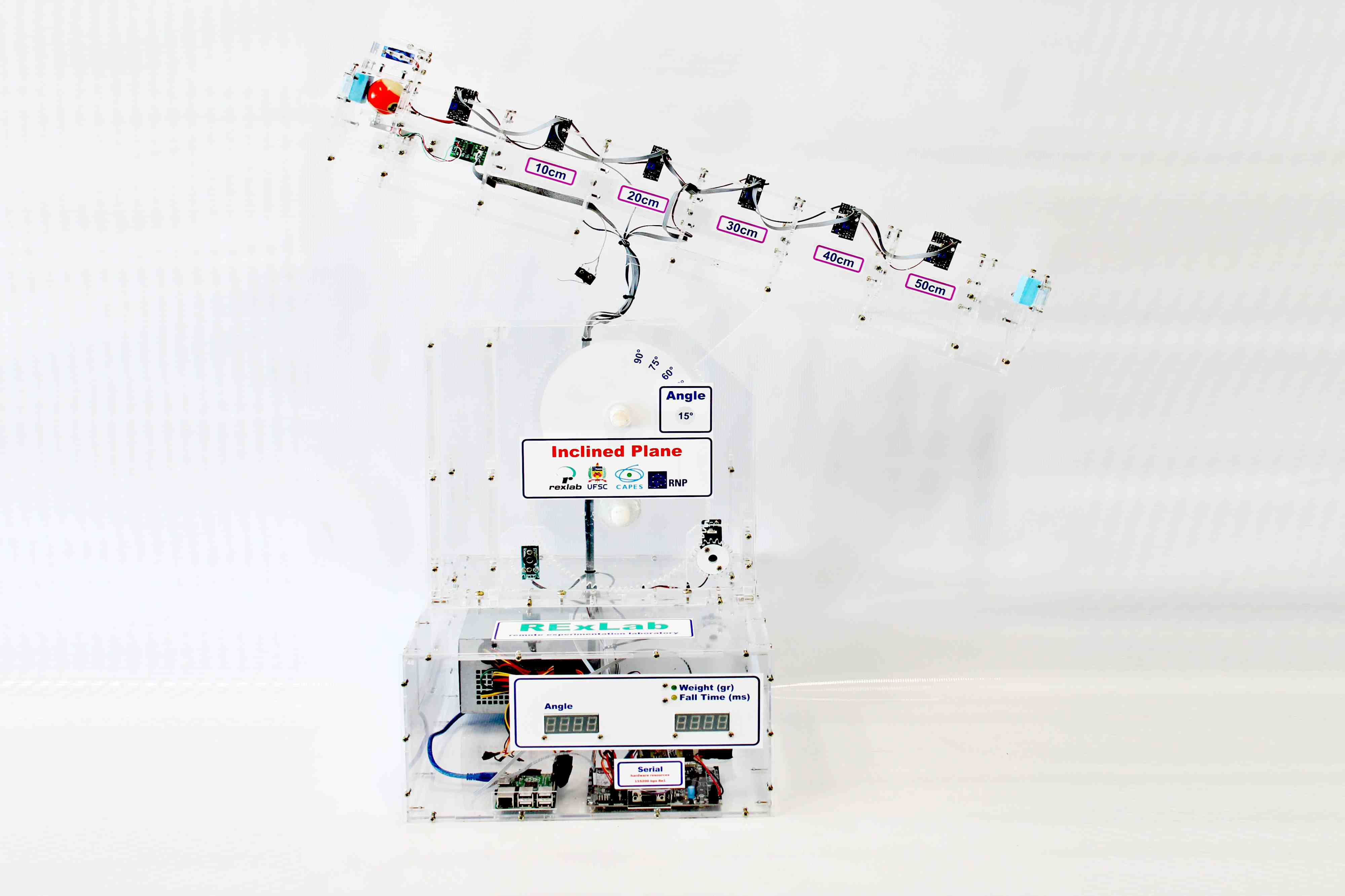
Inclined Plane: measuring acceleration with real data

Students use the Inclined Plane remote lab to test distance-time-squared reasoning, estimate acceleration from sensor times, and explain uncertainty in real data.

  • Collect sensor-time evidence from the LabsLand Inclined Plane remote lab.
  • Test whether distance is better compared with time or time squared.

Includes student questions and response prompts.

Thermographic Camera
  • Thermographic Camera
  • 22 min
  • Ultimii ani de școală primară / început de gimnaziu
  • ro

Indiciul ascuns al camerei termice

Privește echipamente informatice reale cu o cameră termică, găsește o zonă care pare mai caldă și explică ce dezvăluie imaginea.

  • Compararea a două zone din aceeași imagine termică folosind scara afișată.
  • Recunoașterea imaginii termice ca imagine legată de temperatură, nu ca redare a culorilor vizibile ale obiectelor.

Includes student questions and response prompts.

Momento de Inercia
  • Momento de Inercia
  • 40 min
  • DBHko azken mailetako eta Batxilergoko Fisika
  • eu

Inertzia-momentua: masa berak, ardatzetik gertu ala urrun?

Ikasleek inertzia-momentuaren urrutiko laborategiko bi saiakuntza kontrolatu erabiltzen dituzte, masa berak lekuz aldatzean biraketaren erantzuna nola aldatzen den aztertzeko.

  • Masa puntualen eta ardatzaren arteko distantzia soilik aldatzen duen alderaketa kontrolatua egitea.
  • Laborategiko kalkulu-orritik abiadura maximoa eta hura lortu arte igarotako denbora ateratzea.

Includes student questions and response prompts.

Plant Tissues
  • Plant Tissues
  • 35 min
  • Primary education (ages 10-12)
  • English

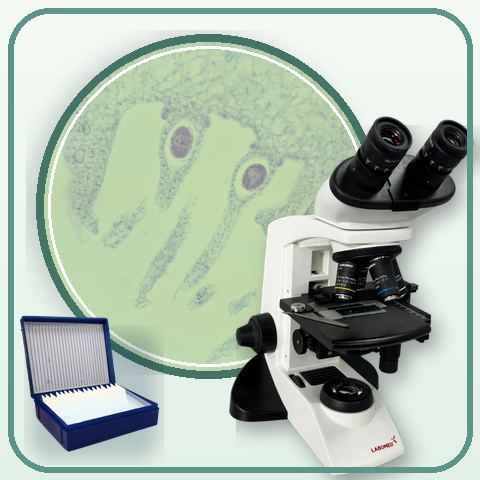
Inside plants: a microscope journey

Primary students use the Plant Tissues remote lab to observe a real stem at 4x and 40x, draw what they see, and explain that plants have many cells and small tubes that carry water.

  • Open the Plant Tissues lab and observe a real stem with the microscope.
  • Compare an overview of the stem at 4x with a close view at 40x.

Includes student questions and response prompts.