Iragazki gehiago
Adina
Edozein
10-11 urte (83)
12-13 urte (123)
14-15 urte (303)
16-17 urte (398)
18 urtetik gora (189)
8-9 urte (65)
Maila
Edozein
11–13 anos (1)
1º ano do Ensino Médio (2)
6º e 7º anos do Ensino Fundamental (1)
6º–7º ano do Ensino Fundamental (1)
6º–7º anos do Ensino Fundamental (1)
8o/9o ano ou início do Ensino Médio (4)
8º e 9º anos do Ensino Fundamental / início do Ensino Médio (1)
8º-9º ano do Ensino Fundamental / início do Ensino Médio (2)
9o ano / início do Ensino Médio (1)
Ages 11–13 (2)
Ages 15-17 / introductory upper secondary (2)
Akhir SD / awal SMP, usia 9–13 tahun (1)
Akhir SMP dan awal SMA, usia 14–16 tahun (4)
Anos finais do Ensino Fundamental / início do Ensino Médio (1)
Anos finais do Ensino Fundamental I / início do Fundamental II (1)
Anos finais do Ensino Fundamental I / início do Fundamental II, 9–13 anos (1)
Anos finais do Ensino Fundamental I e início do II, 9–12 anos (1)
Anos finais do Ensino Fundamental, 12–15 anos (1)
Awal sekolah menengah, usia 12–15 tahun (1)
Bigarren Hezkuntzako lehen urteak, 12–15 urte (1)
Biologi menengah atas / Sains menengah atas (1)
Biologi sekolah menengah atas (1)
Biologia do Ensino Médio (1)
Bovenbouw basisschool / begin middelbare school (1)
Bovenbouw basisschool / begin middelbare school, 9–13 jaar (2)
Bovenbouw basisschool, 9–12 jaar (1)
Ciencias de primaria superior (1)
Ciências do ensino médio (2)
Ciências no ensino médio (1)
Ciências nos anos finais do ensino fundamental (1)
Ciências nos anos finais do ensino fundamental e no início do ensino médio (1)
Ciências — 5º e 6º anos do Ensino Fundamental (1)
Clasele superioare ale ciclului primar, 9–12 ani (1)
Cuối cấp tiểu học, 9–12 tuổi (1)
Cuối tiểu học / đầu trung học cơ sở (1)
Cuối tiểu học / đầu trung học cơ sở, 9–13 tuổi (2)
Cuối trung học cơ sở và đầu trung học phổ thông, 14–16 tuổi (4)
DBHko azken mailak eta Batxilergoaren hasiera, 14–16 urte (4)
Début du secondaire, 12–15 ans (1)
Early secondary, ages 12–15 (1)
Educación Primaria (5º-6º) (1)
Educación Primaria (5º–6º) (1)
Educación media (1)
Educación secundaria (1)
Educação secundária (1)
Elektronik vokasional menengah atas / pengenalan (8)
Ende der Grundschule / Beginn der Sekundarstufe (1)
Ende der Grundschule / Beginn der Sekundarstufe, 9–13 Jahre (2)
Ensino Fundamental (10–12 anos) (1)
Ensino Fundamental (5º-6º ano, 10-12 anos) (1)
Ensino Fundamental II / Ensino Médio inicial (1)
Ensino Fundamental II / início do Ensino Médio (1)
Ensino Fundamental II / primeiras aulas de programação física (4)
Ensino Médio (4)
Ensino Médio / Ciências da Natureza (1)
Ensino Médio / química do Ensino Médio (1)
Ensino Médio inicial (1)
Ensino Médio introdutório, 15–17 anos (2)
Ensino fundamental II / ensino médio inicial (4)
Ensino fundamental II / ensino médio inicial em Tecnologia (1)
Ensino fundamental — anos finais e ensino médio, 14–16 anos (4)
Ensino médio (1)
Ensino médio / final do ensino fundamental II (1)
Ensino médio / formação técnica introdutória em eletrônica (12)
Ensino médio técnico, formação profissional inicial ou primeiros cursos técnicos (1)
Ensino superior introdutório (4)
Extensión de Física y Química de secundaria (1)
Extensão de Física para o Ensino Médio (1)
Fim dos anos iniciais / início dos anos finais do ensino fundamental, de 9 a 13 anos (1)
Fin de primaire / début de collège (1)
Fin de primaire / début de collège, 9–13 ans (2)
Fin de primaire, 9–12 ans (1)
First-year university / introductory vocational electronics / upper-secondary electronics (7)
Fizik Tingkatan 4 (6)
Fizik sekolah menengah (2)
Fizik sekolah menengah atas (11)
Fizik sekolah menengah atas / Tingkatan 4–5 (1)
Fizik sekolah menengah, umur 15–16 tahun (1)
Física / Química do Ensino Médio (1)
Física de secundaria superior (2)
Física do Ensino Médio (9)
Física do Ensino Médio / 1º ou 2º ano (1)
Física y Química de educación media (1)
Gimnaziu și început de liceu, 14–16 ani (4)
Grade 10-12 / introductory vocational electronics (4)
Graduação em Ciência ou Engenharia da Computação (5)
Graduação introdutória (4)
Graduação, introdutório (7)
Grundskolans senare år, 12–15 år (1)
High school biology (1)
High school biology / upper secondary science (1)
High school chemistry / upper secondary science (2)
High school physics (1)
High school physics / chemistry (1)
High school physics / upper secondary (3)
High-school physics (3)
High-school physics / grade 10-11 (1)
Högstadiet och gymnasiets början, 14–16 år (4)
Introductory university (4)
Introdução às leis dos gases no ensino médio (1)
Kelas akhir SD, usia 9–12 tahun (1)
Kelas atas SD / awal SMP (1)
Kelas atas SD / awal SMP, usia 9–13 tahun (1)
Kimia Tingkatan 4–5 (1)
Lehen Hezkuntzako azken urteak / Bigarren Hezkuntzako hasiera (1)
Lehen Hezkuntzako azken urteak / Bigarren Hezkuntzako hasiera, 9–13 urte (2)
Lehen Hezkuntzako azken urteak, 9–12 urte (1)
Leis dos gases / início do Ensino Médio (1)
Leis dos gases no 9o ano / Ensino Médio inicial (1)
Leyes de los gases / educación media (1)
Lower secondary / early high school (6)
Lower secondary / early upper secondary (1)
Lower secondary / first physical-programming lessons (4)
Mellanstadiet, 9–12 år (1)
Menengah atas teknikal, latihan vokasional awal atau kursus teknikal peringkat awal (1)
Menengah rendah / awal menengah atas (6)
Menengah rendah / awal menengah atas dalam Teknologi (1)
Menengah rendah / pelajaran awal pengaturcaraan fizikal (1)
Menengah rendah, umur 12–15 tahun (1)
Mudanças de fase no Ensino Médio / 9º ano ao 1º ano (1)
Natuurkunde in de bovenbouw van het voortgezet onderwijs; ongeveer 16-18 jaar (3)
Obere Grundschulklassen, 9–12 Jahre (1)
Onderbouw voortgezet onderwijs, 12–15 jaar (1)
Pengayaan Fizik sekolah menengah (1)
Peringkat awal universiti (1)
Peringkat pengenalan universiti (1)
Prasiswazah Sains atau Kejuruteraan Komputer (5)
Prasiswazah pengenalan (2)
Prasiswazah peringkat pengenalan (4)
Prasiswazah, pengenalan (4)
Prasiswazah, peringkat pengenalan (1)
Primary education (ages 10-12) (2)
Primeiro ano de graduação / formação técnica introdutória em eletrônica / ensino médio técnico (7)
Primer año universitario / iniciación a la electrónica profesional / electrónica de secundaria superior (7)
Primeros cursos de Secundaria, 12–15 años (1)
Primeros cursos universitarios de informática, electrónica o ingeniería de computadores (5)
Primi anni della secondaria, 12–15 anni (1)
Primii ani de gimnaziu, 12–15 ani (1)
Química do Ensino Médio (1)
Sains Tahun 3 (Tahap I) (1)
Sains Tingkatan 1 (1)
Sains Tingkatan 2 (1)
Sains sekolah rendah tahap dua (1)
Scuola secondaria, 14–16 anni (4)
Secondaire, 14–16 ans (4)
Secondary (ages 14–15) (4)
Secondary (ages 14–16) (2)
Secondary (ages 14–17) (3)
Secondary (ages 15–16) (1)
Secondary (ages 15–17) (3)
Secondary (ages 15–18) (1)
Secondary (ages 16–17) (2)
Secondary education (ages 14–16) (1)
Secondary physics extension (1)
Secondary school (1)
Secondary, ages 14–16 (4)
Secundaria (11–13 años) (2)
Secundaria (12–13 años) (2)
Secundaria (12–14 años) (1)
Secundaria (12–16 años) (4)
Secundaria (14–15 años) (5)
Secundaria (14–16 años) (17)
Secundaria (14–17 años) (3)
Secundaria (15–16 años) (5)
Secundaria (15–17 años) (13)
Secundaria (15–18 años) (8)
Secundaria (16–17 años) (2)
Secundaria (16–18 años) (12)
Secundaria (16–19 años) (8)
Sekolah menengah (3)
Sekolah menengah atas (1)
Sekolah menengah atas / kimia sekolah menengah (1)
Sekolah menengah atas peringkat pengenalan, umur 15–17 tahun (2)
Sekolah menengah rendah / Tingkatan 2–3 (4)
Sekolah menengah rendah / menengah atas awal (4)
Sekolah menengah rendah / pelajaran awal pengaturcaraan fizikal (3)
Sekolah menengah, umur 14–16 tahun (4)
Sekolah rendah (umur 10–12 tahun) (1)
Sekolah rendah tahap dua, umur 9–12 tahun (1)
Sekundarstufe, 14–16 Jahre (4)
Senare delen av grundskolans tidigare år / början av högstadiet (1)
Senare delen av grundskolans tidigare år / början av högstadiet, 9–13 år (2)
Tahap atas sekolah rendah / awal sekolah menengah (1)
Tahap atas sekolah rendah / awal sekolah menengah, umur 9–13 tahun (2)
Tahun 5–6 / Tingkatan 1 (1)
Tahun 6 (sekolah rendah) – Tingkatan 1 (menengah rendah) (1)
Tahun 6–Tingkatan 1 (1)
Tahun pertama universiti / latihan teknikal elektronik asas / sekolah menengah teknik (7)
Tingkatan 4–5 / pengenalan elektronik vokasional (4)
Ultimi anni della primaria / inizio della secondaria (1)
Ultimi anni della primaria / inizio della secondaria, 9–13 anni (2)
Ultimi anni della primaria e inizio secondaria, 9–12 anni (1)
Ultimii ani de școală primară / început de gimnaziu (1)
Ultimii ani de școală primară / început de gimnaziu, 9–13 ani (2)
Umur 11–13 tahun (1)
Undergraduate CS/CE (5)
Undergraduate, introductory (12)
Universidad, nivel introductorio (4)
Universiti peringkat pengenalan (2)
Untere Sekundarstufe, 12–15 Jahre (1)
Upper primary / early lower secondary (1)
Upper primary / early secondary (1)
Upper primary / early secondary, ages 9–13 (2)
Upper primary science (1)
Upper primary to lower secondary (1)
Upper primary, ages 9–12 (1)
Upper secondary / introductory vocational electronics (8)
Upper secondary physics (1)
Upper-secondary physics (1)
Upper-secondary physics; approximately ages 16-18 (3)
Voortgezet onderwijs, 14–16 jaar (4)
early upper secondary / strong secondary (1)
introductory upper secondary gas laws (1)
lower secondary / early high school (1)
lower secondary science (1)
middle secondary science (1)
middle to upper secondary science (2)
pengenalan kepada hukum gas di peringkat menengah atas (1)
sains menengah atas (1)
sains menengah rendah hingga menengah atas (2)
secondary school (1)
strong secondary / early upper secondary (1)
upper secondary science (1)
Últimos cursos de Primaria / inicio de Secundaria (1)
Últimos cursos de Primaria / inicio de Secundaria, 9–13 años (2)
Últimos cursos de Primaria, 9–12 años (1)
Đầu cấp trung học cơ sở, 12–15 tuổi (1)
প্রাথমিকের শেষ দিক, বয়স 9–12 বছর (1)
প্রাথমিকের শেষ ভাগ / মাধ্যমিকের শুরু (1)
প্রাথমিকের শেষ ভাগ / মাধ্যমিকের শুরু, বয়স 9–13 বছর (2)
মাধ্যমিকের শুরুর দিক, বয়স 12–15 বছর (1)
মাধ্যমিকের শেষভাগ ও উচ্চমাধ্যমিকের শুরু, বয়স 14–16 বছর (4)
ประถมปลาย / มัธยมต้น (1)
ประถมปลาย / มัธยมต้น อายุ 9–13 ปี (2)
ประถมปลาย อายุ 9–12 ปี (1)
มัธยมต้น อายุ 12–15 ปี (1)
มัธยมศึกษาตอนต้นช่วงปลายถึงมัธยมศึกษาตอนปลายช่วงต้น อายุ 14–16 ปี (4)
中学校後半~高校初年、14~16歳 (4)
中等教育前期、12–15歳 (1)
小学校高学年、9–12歳 (1)
小学校高学年〜中学校初期 (1)
小学校高学年〜中学校初期、9–13歳 (2)
Iraupena
Edozein
35 min arte (196)
40-55 min (240)
55 min baino gehiago (130)
Laborategia
Edozein
Acid Base Titration II (4)
Arduino Board (code) (16)
Arduino Board (visual) (16)
Buoyancy (16)
Caída Libre (8)
Curvas de Calentamiento y Enfriamiento del Agua (8)
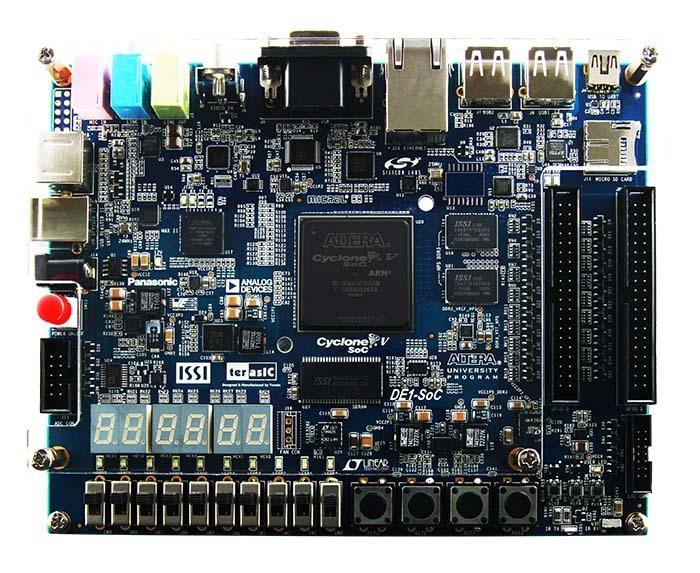
DE1-SoC (48)
DE1-SoC · Nios V (20)
Keabadian Momentum (4)
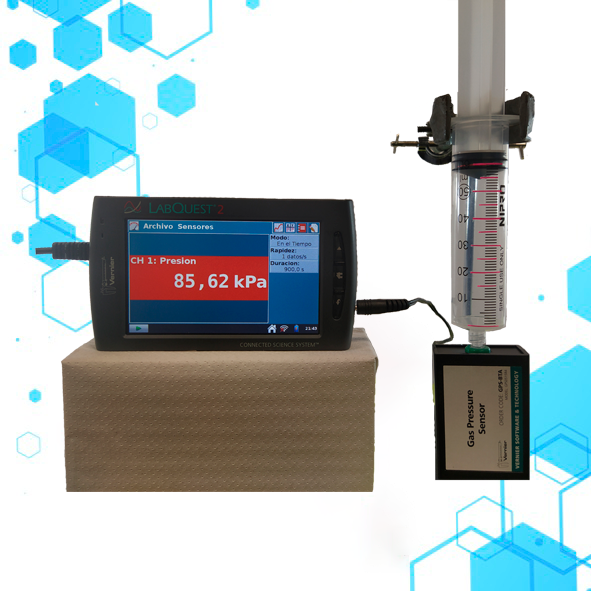
Ley de Boyle (28)
Ley de Gay-Lussac (20)
Materials (20)
Medan Magnet (4)
Mikroskop (langsung) (8)
Momento de Inercia (4)
Pencetak 3D (4)
Planarias (8)
Proyectiles (12)
Péndulo de Newton (4)
Radioactiviteit (14)
Respirasi Sel (4)
Robot arduino (visual) (16)
STM32 Nucleo (Arduino) (16)
STM32 Nucleo (Mbed) (32)
Snell's Law (II) (8)
Spring (4)
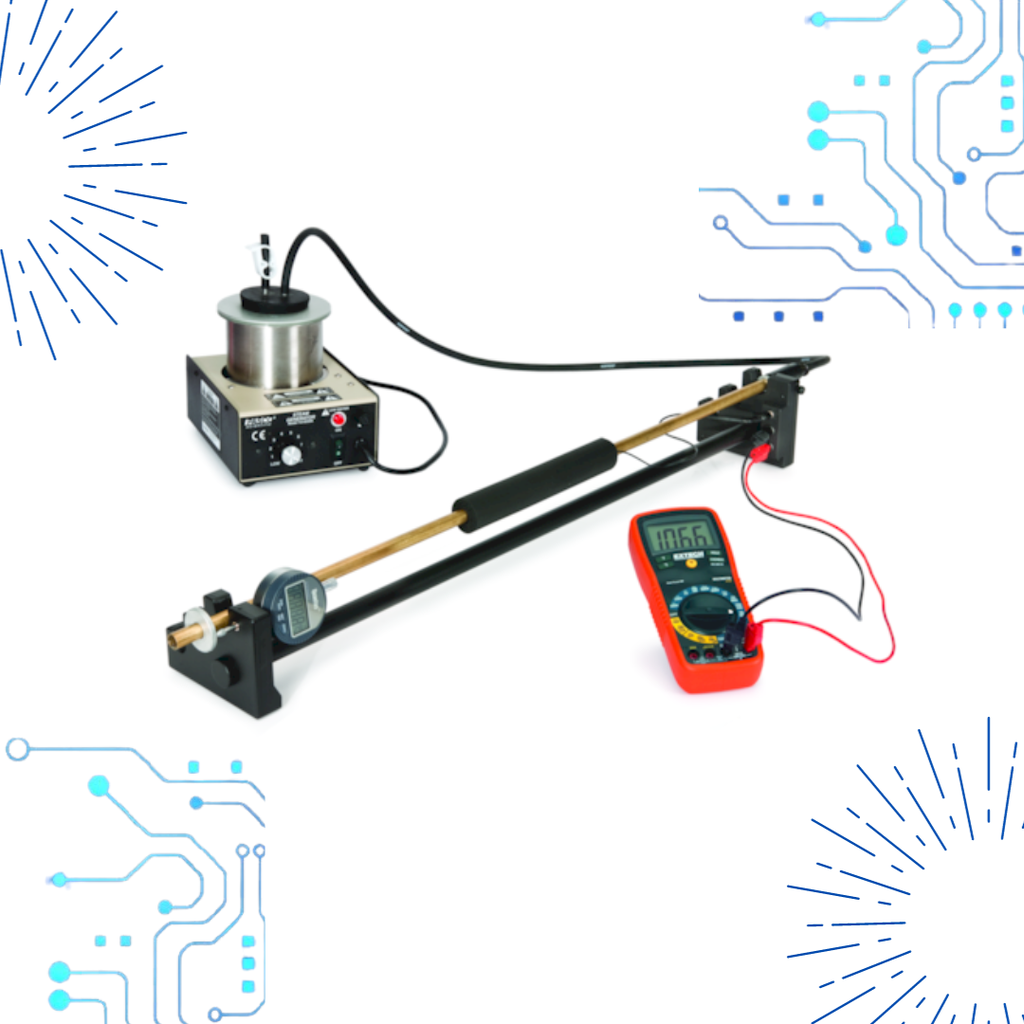
Thermal Expansion (4)
Tisu Tumbuhan (8)
Valora. Ácido-Base I (4)
Valora. Ácido-Base III (4)
エレクトロニクス - ハイブ (100)
サーモグラフィーカメラ (36)
振り子 (28)
運動学 (36)
Ikasgai mota
Edozein
Gailu programagarria (164)
Zientzia-laborategia (402)